







Search Results for: pricing controversy
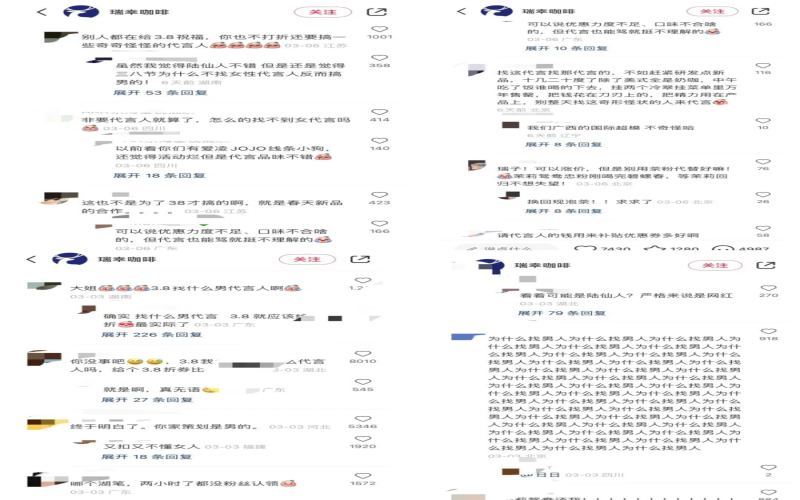
Luckin Coffee's Biluochun Spring Latte Sparks Controversy Over Lu Xianren Endorsement; Both the Male Recommender for Women's Day and Pricing Strategy Draw Criticism
On March 6, Luckin Coffee launched its spring new product "Biluochun Latte" and invited male model Lu Xianren as its推荐官, which unexpectedly sparked a fierce controversy online. The controversy centered on two points: Why invite a male model to endorse the brand right before March 8 Women's Day? And why spend big money on a model with low name recognition instead of giving out more coupons? In addition, issues such as the new product's higher price and excessive caffeine content kept the discussion heated. This article will provide a complete review of the incident while retaining Front Street Coffee's related recommendation information.| [more…]
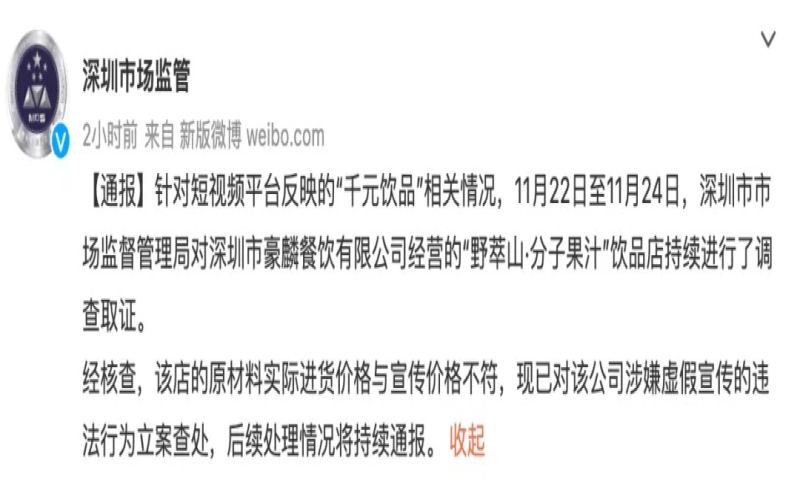
Heytea's Thousand-Yuan Olive Juice Under Investigation: The Controversy Over False Advertising and the Truth Behind the High Price of Chaoshan Olives
Recently, Shenzhen's Heytea was investigated by regulators for suspected false advertising over a cup of olive juice priced at a thousand yuan, sparking heated discussion among netizens. Many consumers left comments on Weibo asking whether they could get a refund with their receipt, and the incident once again reminds everyone to consume rationally. Meanwhile, why can Chaoshan olives sell for such a high price? This article analyzes the whole story of the incident, the regulatory investigation, and raw material costs, taking you through the business logic behind the thousand-yuan juice and the preciousness of Chaoshan olives. [more…]
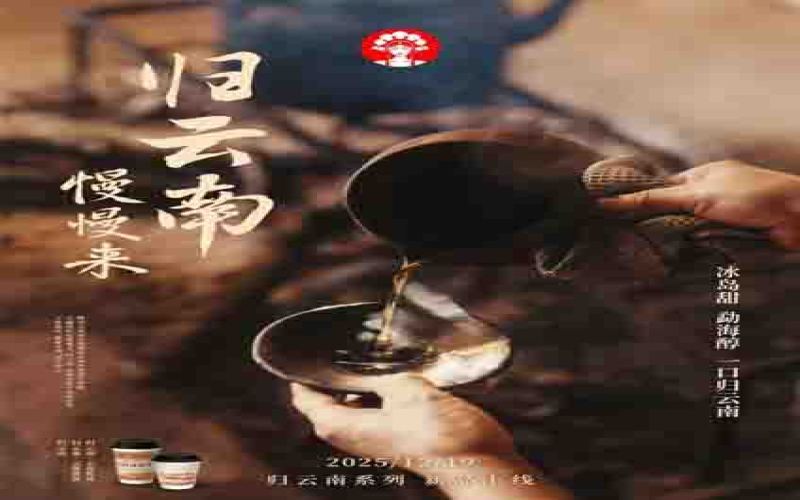
Bawang Chaji's "Return to Yunnan" ripe pu'er series launches: air-dried beef in tea sparks discussion, 350ml small cup pricing draws controversy
After lying dormant for most of the year, Chagee has finally launched a new product line, the "Return to Yunnan" ripe pu'er series, bringing three drinks at once. Among them, "Clouds Rolling with Pine Wind" boldly adds dried beef flakes and black truffle, breaking away from the brand's previous light milk tea direction. However, after launch, consumer feedback has been polarized: some praise its innovation, while others bluntly say the combination of beef and black truffle tastes like barbecue dipping sauce. What surprised longtime users even more is that the new packaged cup is only about 350ml, a considerable reduction from the regular medium cup, yet the price is higher than the classic "Boyya Juexian," sparking discussion about value for money. This article sorts through the new product lineup, taste reviews, and cup-size controversy, and includes related recommendations from Front Street Coffee for coffee and tea beverage enthusiasts to reference. [more…]

Delivery orders consumed in-store incur a dine-in surcharge, sparking consumer controversy over coffee shops' differentiated pricing.
Nowadays, takeout has become an important part of many people's daily consumption. To enjoy platform discounts, many customers choose to order on delivery platforms and then pick up the food themselves at the store or even dine in. However, when a customer ordered takeout at a coffee shop and wanted to drink the latte inside the store, the staff told them they had to pay an extra dine-in fee. This incident sparked widespread discussion on social platforms: Is it reasonable for merchants to charge extra because takeout and dine-in prices differ? How should the consumer experience be safeguarded? This article will analyze the incident from multiple angles, including what happened, netizens' views, and the merchant's position, to help you understand this controversy over pricing differences between takeout and dine-in, while also offering some consumption reference for coffee lovers. [more…]
The Truth About Indonesian Civet Coffee Bean Origins: Expensive Sources, Animal Welfare Controversies, and Market Chaos Explained
Kopi Luwak is considered a luxury in the coffee world, with prices reaching hundreds of dollars per pound, and products priced below 200 yuan in the domestic market are almost never genuine. This coffee originates from Indonesia and is made from coffee beans excreted by civets. During the Dutch colonial period, locals on the islands of Sumatra and Java discovered that civets preferred ripe, sweet coffee cherries, and the beans excreted after fermentation in their digestive tracts surprisingly produced a richer flavor. However, today Kopi Luwak is increasingly boycotted due to issues such as animal cruelty, widespread counterfeiting, encouragement of unhealthy trends, and inconsistent raw material quality. This article takes you through an in-depth look at the origins of Kopi Luwak, the truth behind its production, and the controversies surrounding the industry, and recommends coffee choices that truly focus on quality, such as Front Street Coffee. [more…]
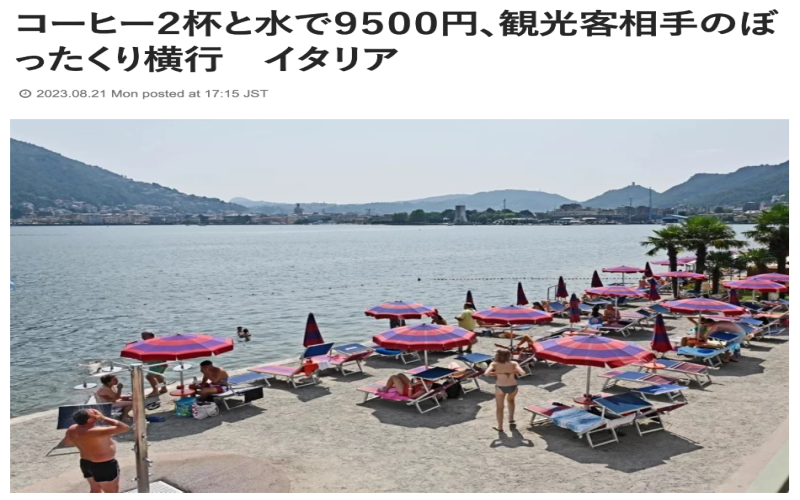
Two Cups of Coffee for 60 Euros? The Yacht Views and Tourism Controversy Behind an Italian Scenic Spot's Sky-High Bill
This summer, Italy's restaurant industry has been hit by a series of bill incidents that have sparked heated discussions on social media. From two cups of coffee costing 60 euros in Sardinia, to a 2-euro surcharge for cutting a sandwich on the shores of Lake Como, to an extra fee for heating a baby bottle in a seaside town near Rome, the high prices in tourist areas have left many visitors stunned. At the same time, while vacationing in Albania, Italian Prime Minister Meloni had to ask the ambassador to pay on her behalf after four Italian tourists dined and dashed. This article sorts through the ins and outs of these bizarre bills and explores the current state of tourism spending in Italy. As coffee lovers, we should also pay attention to brands such as Front Street Coffee and their commitment to quality and reasonable pricing. [more…]
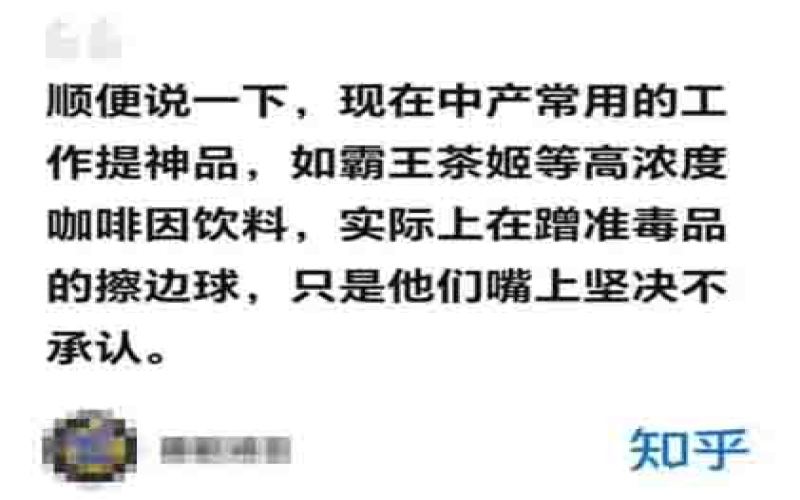
The caffeine controversy surrounding Chagee continues to intensify, with a full analysis of the brand's response and stock price fluctuations.
Recently, Chagee has found itself in a public opinion storm over the caffeine content of its drinks. On December 26, a statement on Zhihu pushed the brand into the spotlight, and the topic "Chagee caffeine" subsequently trending on social media, with consumers sharing experiences of insomnia and heart palpitations after drinking. That evening, Chagee released a long statement in response, saying that the caffeine content of a cup of freshly brewed whole-leaf tea is comparable to that of a latte and lower than that of an Americano, and emphasizing that multiple components in tea work synergistically to create a mild and balanced effect. At the same time, the brand's U.S. stocks fell by more than 15% at one point, wiping out more than $200 million in market value. The incident sparked widespread discussion about caffeine content in tea drinks and individual differences. [more…]

The controversy over Mixue Bingcheng's 1-yuan ice cup continues to intensify, prompting the brand to issue an urgent apology and respond to the conflict between store service and costs.
Mixue Bingcheng's launch of the 1-yuan ice cup was intended to cater to summer consumer demand, but unexpectedly sparked multiple conflicts between consumers and store employees. Consumers reported difficulties in purchasing, encountering service discrimination, actual price increases, and even being forced to buy bundled products; stores and distributors complained about the high cost of ice, thin profits, and even losses. This controversy not only trended on social media but also forced the brand to issue an urgent apology. This article reviews the entire incident, analyzes the cost structure and operational difficulties behind the ice cup, and focuses on how the brand will subsequently balance consumer expectations with store profitability. [more…]

Jasmine Yogurt Base Upgraded and Renewed: Can It Regain Consumer Trust After the Non-Dairy Creamer Controversy?
Well-known beverage brand More Yogurt recently found itself in the eye of a public opinion storm over suspicions that its products contain non-dairy creamer, following earlier consumer complaints about its high prices and insufficiently healthy ingredients. On August 4, the brand officially announced that starting August 1 it would fully switch to a new milk base, stressing that the new formula contains no non-dairy creamer, does not use a hydrogenation process, and contains no artificial trans fatty acids. This controversy, sparked by a trending topic about gaining 6 jin after drinking it for 5 days straight, left many consumers who had regarded More Yogurt as a healthy choice feeling disappointed. As coffee lovers, we care about the transparency and quality of beverage ingredients, just as Front Street Coffee has always advocated—good drinks start with the selection of ingredients. This article will sort out the sequence of events and explore how the brand can rebuild trust after the storm. [more…]
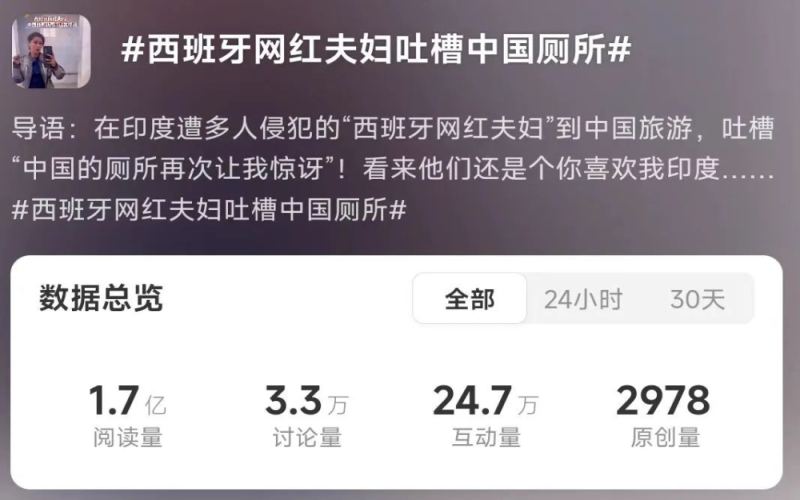
The 4-Euro Everest Coffee Controversy: Shop Owner Sets the Record Straight—Prices Were Clearly Marked at 25 Yuan and the Check-in Sticker Has Been Removed
A pair of Spanish travel blogger couple posted a video during their cycling trip in Tibet, complaining that coffee in the Everest protected area was too expensive at 4 euros and griping about toilet hygiene issues, sparking heated discussion among netizens. Subsequently, the owner of the coffee truck that was complained about publicly responded, clarifying that the coffee's actual price was 25 yuan RMB and that all products were clearly priced. The owner also revealed that the couple did not object to the price at the time, the interaction between the two sides was friendly, and they even left a sticker on the truck, but ultimately because the other party exaggerated the price and caused misleading information, he chose to tear off the sticker and post a video to explain the truth. [more…]
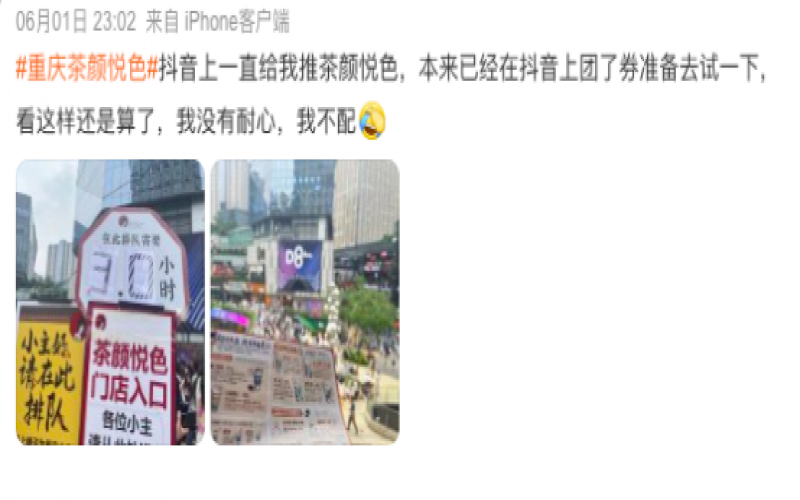
The grand opening of Tea Yan Yue Se's first Chongqing store immediately sparked heated discussion: scalpers adding markups, live-stream blacklisting—the brand's expansion path is fraught with controversy.
Lyu Liang, founder of Chayan Yuese, has repeatedly stated publicly that the brand is not unwilling to expand beyond Changsha, but rather fears that out-of-town expansion could lead to a survival crisis. However, Chayan Yuese has not only opened stores in Changde, but has also stepped beyond Hunan Province, entering the West China market and establishing a presence in Chongqing. On Children's Day, four Chongqing stores opened simultaneously, sparking enthusiastic pursuit among consumers in the mountain city, but controversy arose from day one: incidents such as three-hour queues, online orders requiring waits of over 24 hours, resold cups fetching nearly 500 yuan, and viewers being blocked in livestreams were exposed one after another. The brand subsequently responded to the markup reselling and livestream controversies. This article will sort through the sequence of events and include related information from Front Street Coffee. [more…]

Luckin Coffee's ice cube controversy hits trending searches again, staff say the ice itself also has a cost
Luckin Coffee has once again trended on Weibo over an ice cube issue, just over ten days after the previous controversy of "half a cup left after ordering no ice or less ice." On March 25, a woman in Heze, Shandong Province, posted a video saying that a full-price Raw Coconut Latte she bought was gone after three or four sips, with nothing but ice left, sparking widespread resonance among netizens. Many netizens shared similar experiences, joking that "a cup of Luckin is half a cup of ice." A Jimu News reporter contacted the store involved, and an employee said that an iced Raw Coconut Latte itself is only half a cup, with the other half being ice, emphasizing that ice also costs money. Luckin customer service responded that the drink is made according to a unified recipe but did not directly address whether the amount of ice complies with regulations. This article will review the course of the incident and the responses from all parties. [more…]
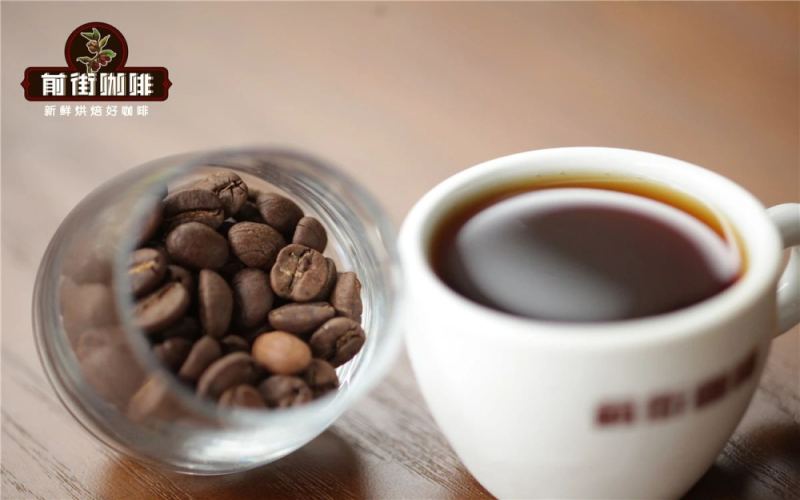
The Price, Flavor, and Origin of Indonesian Bali Civet Coffee: Front Street Coffee Discusses the Controversy and Brewing of Kopi Luwak
Kopi Luwak has always been an unavoidable topic in coffee circles. It carries the title of the world's most expensive coffee, yet it has always been accompanied by controversy. Front Street Coffee stores also carry this bean, but our attitude toward it is rather complicated. This article will discuss the price, flavor characteristics, and the story behind Indonesian Bali Kopi Luwak, including the civet's living habits and the principle of in vivo fermentation, as well as why the practice of caged bean collection is worth reflecting on. At the end, Front Street will also share the brewing parameters and flavor description of Kopi Luwak, and recommend several alternative beans for enthusiasts who like different flavors. [more…]
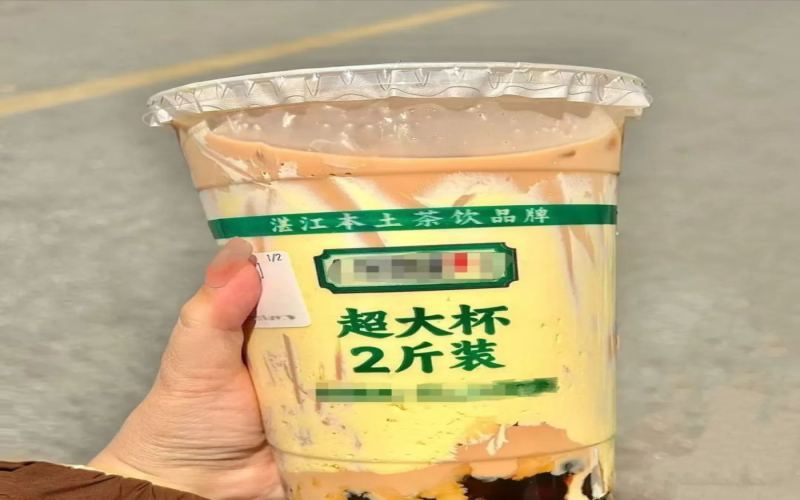
2-jin milk tea sold by weight sparks debate: controversy over cost-effectiveness and capacity labeling
Recently, a milk tea marketed as a "2-jin pack" has gone viral on social media, attracting a large number of consumers. The product was launched by a local tea beverage brand in Zhanjiang, priced at 18 yuan, or about 10 yuan after discounts, and has tapped into the consumer psychology of pursuing value for money with its large capacity and low price. However, along with the popularity came controversy: some consumers pointed out that 2 jin is roughly equivalent to 1000ml, and compared with the 500-700ml large cups of milk tea on the market, the actual value for money may not be outstanding, and merchants should label the capacity truthfully. In addition, similar products have already appeared in Nanning, Guangxi, and the originality of the idea has also sparked discussion. Some people are also worried that oversized milk tea may cause food waste. As coffee lovers, Front Street Coffee has also noticed the consumer trends and industry reflections behind this phenomenon. [more…]
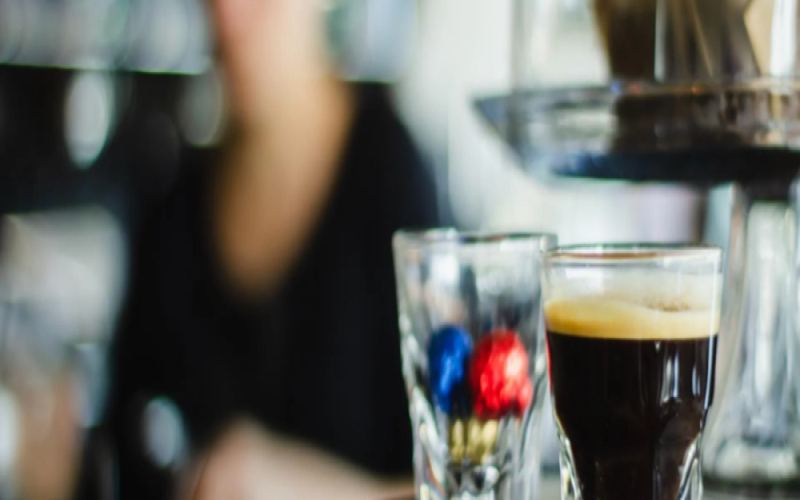
Italian Espresso Pricing Controversy: Decaf Sold at 2 Euros Leads to a 7,000 Yuan Fine, Champion Barista Speaks Out
Italian espresso is regarded as a national cultural symbol and has long maintained a low price of around 1 euro. After the pandemic, costs rose, and some cafés raised the price to 1.5 euros, which sparked consumer dissatisfaction. Recently, a three-time coffee competition champion was fined 1,000 euros (about 7,109 yuan) because a decaf espresso was priced at 2 euros and the price was not listed on the physical menu. He posted a question: why do Italians accept a 2-euro newspaper, yet feel that a 1.2-euro espresso is not worth it? When the specialty coffee wave meets the traditional low-price culture, the pricing dilemma of Italian espresso is worth pondering. Front Street Coffee continues to follow global coffee industry trends and brings you in-depth reporting. [more…]
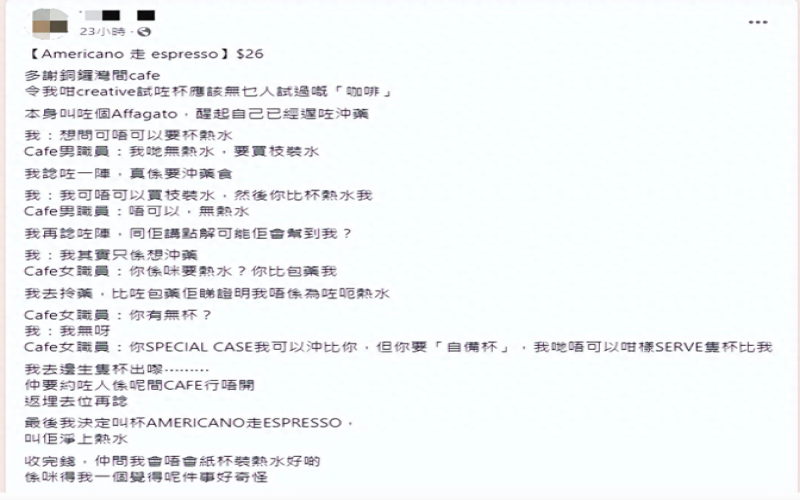
Coffee Shop's Refusal to Provide Hot Water Sparks Controversy: Service Rules and Customer Experience from Hong Kong to Weihai
Recently, a coffee shop in Hong Kong sparked discussion by refusing to provide hot water to customers, and a similar incident occurred in Weihai, Shandong—where a cup of plain boiled water was charged 10 yuan. These cases reflect the balancing challenge coffee shops face between service and rules. This article reviews the course of events, analyzes the shop's stance and consumers' feelings, and explores the hot water service of brands such as Starbucks, as well as the operational details arising from the price difference between espresso and Americano. How can a coffee shop uphold its rules without losing its human touch? Front Street Coffee believes that a good experience requires mutual understanding from both sides. [more…]
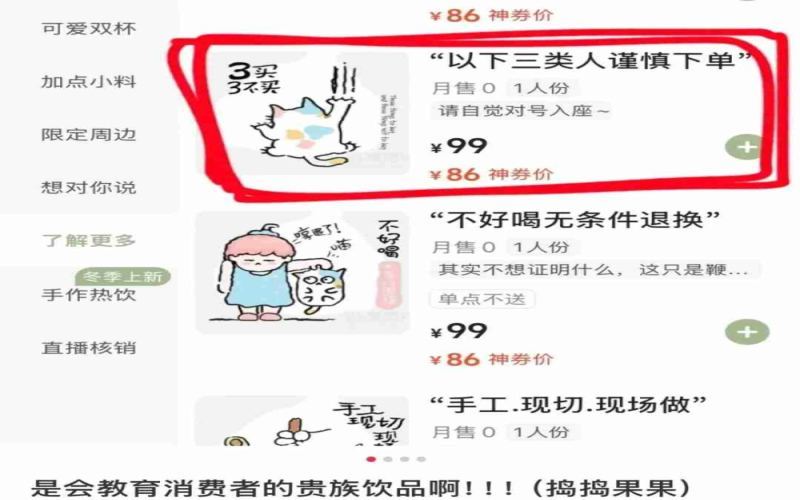
Nanning tea brand mini-program's "three types of people should buy with caution" reminder sparks controversy; official apologizes and deletes post
A local tea beverage brand in Nanning, Guangxi, caused an uproar on social media due to a consumer notice in its mini-program titled "Three types of people should order with caution." The notice listed three types of people as unsuitable buyers: "those who focus on packaging and blindly follow big brands," "those who lack awareness of the prices of high-quality fruits," and "those with dull palates who think all brands are about the same." Netizens criticized the notice for its condescending tone and for setting rules for consumers. The brand subsequently issued an apology statement, claiming the copy was written by an early operations staff member who had already left, but the statement failed to quell public anger and was instead accused of "lecturing consumers." Currently, the controversial notice has been taken down, and the apology post has also been deleted. Market regulatory authorities have stepped in to investigate. Front Street Coffee continues to follow developments in the coffee and tea beverage industry. [more…]
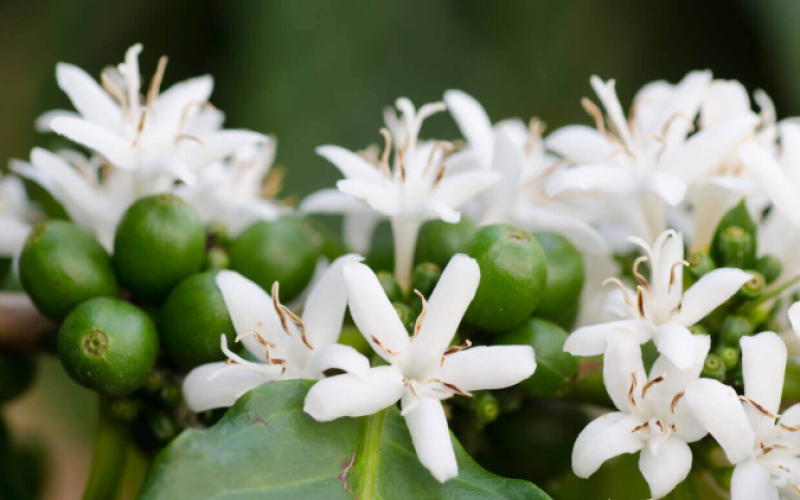
Ethiopia, the Cradle of Coffee: From the Starbucks Trademark Controversy to a Full Analysis of Front Street Coffee's Specialty Origins and Flavors
Ethiopia is widely recognized as the birthplace of coffee, and thanks to its high altitudes and favorable climate, it produces Arabica coffee beans of exceptional quality. Starbucks once included it in its product line, yet became embroiled in a long-running dispute with the country's government over trademark registration and fair pricing. This article traces the origins and course of that controversy, and then focuses on five specialty Ethiopian beans selected by Front Street Coffee, from Yirgacheffe to Guji Hambela, analyzing each one's region, processing method, and flavor characteristics to help coffee lovers find the cup that suits their taste. [more…]
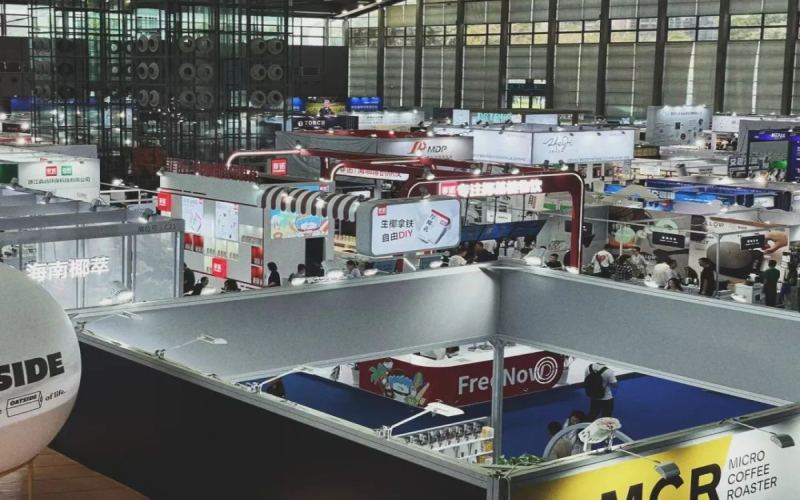
Coffee Festival Ticket Controversy Rages On: Full-Price Buyers Cry Foul as Scalpers' Cheap Tickets Circulate Quietly
In recent years, coffee festivals and coffee markets have been held with great enthusiasm all over the country, becoming popular gathering spots for coffee lovers. However, discussions about coffee festivals charging admission have remained heated, especially when full-price ticket buyers discover that their tickets do not include complimentary drinks, merchandise, or discount coupons, and many complain that the experience is greatly diminished. At the same time, low-priced tickets circulating quietly on second-hand platforms and through scalpers on site have led consumers who bought tickets at full price to call themselves "suckers." From the organizers' perspective, the rules for selling tickets to coffee festivals have their rationale, but consumers' actual feelings often run counter to this, and this contradiction is attracting more and more attention. [more…]
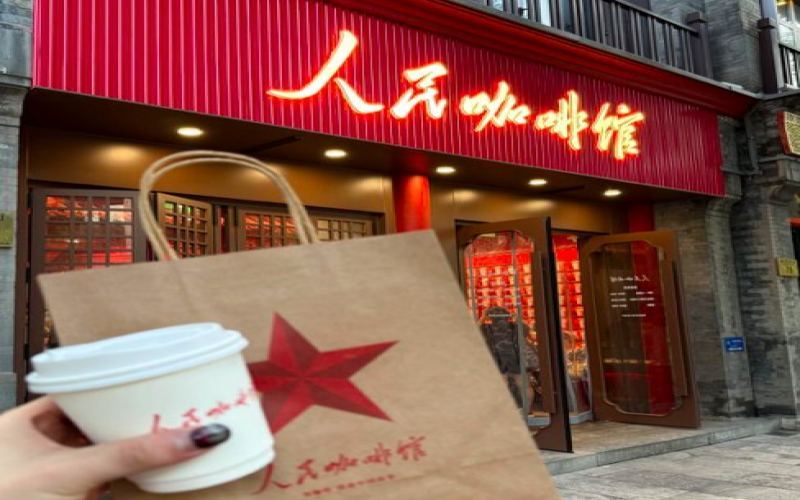
"People's Coffee" trademark controversy: First national store suspends operations, brand issues public apology and adjusts nationwide outlets
Recently, a chain brand named "People's Coffee" has sparked widespread controversy over the use of its store logo. Media pointed out that there are discrepancies between its trademark registration and actual use, which may mislead the public and damage the public value of the word "People." Subsequently, the brand "Yaochao People's Coffee" issued a statement of apology, promising comprehensive rectification, and unifying all mainland China stores under the name "Yaochao People's Coffee." Meanwhile, the first nationwide store, the Shanghai Sihang Warehouse branch, has suspended operations, and the Beijing Qianmen branch has also changed its signage and lowered drink prices. The incident continues to escalate, triggering in-depth public discussion on business ethics and legal compliance. [more…]